

Posted Date: 06/30/2025
1. Farewell Message from the Regional Chair:Mr. Leong Cheng Wee concluded his 3-year term (2022–2025) as DRC, expressing heartfelt gratitude to all members and congratulating Ir. Ong Ching Loon as the incoming DRC for the next term. 2. 2025 Winter Conference in Orlando:Region XIII achieved notable success at the event, including: 3. CAR-ASHRAE at China […]

Posted Date: 06/24/2025
Energy efficient building design and decarbonization have become a high priority in the quest to reduce the effects of pollution, conserve natural resources and slow climate change. Many engineers and stakeholders want to reduce energy consumption and related carbon emissions from buildings but may not know how to do so. This article analyzes existing net […]
Posted Date: 06/21/2025
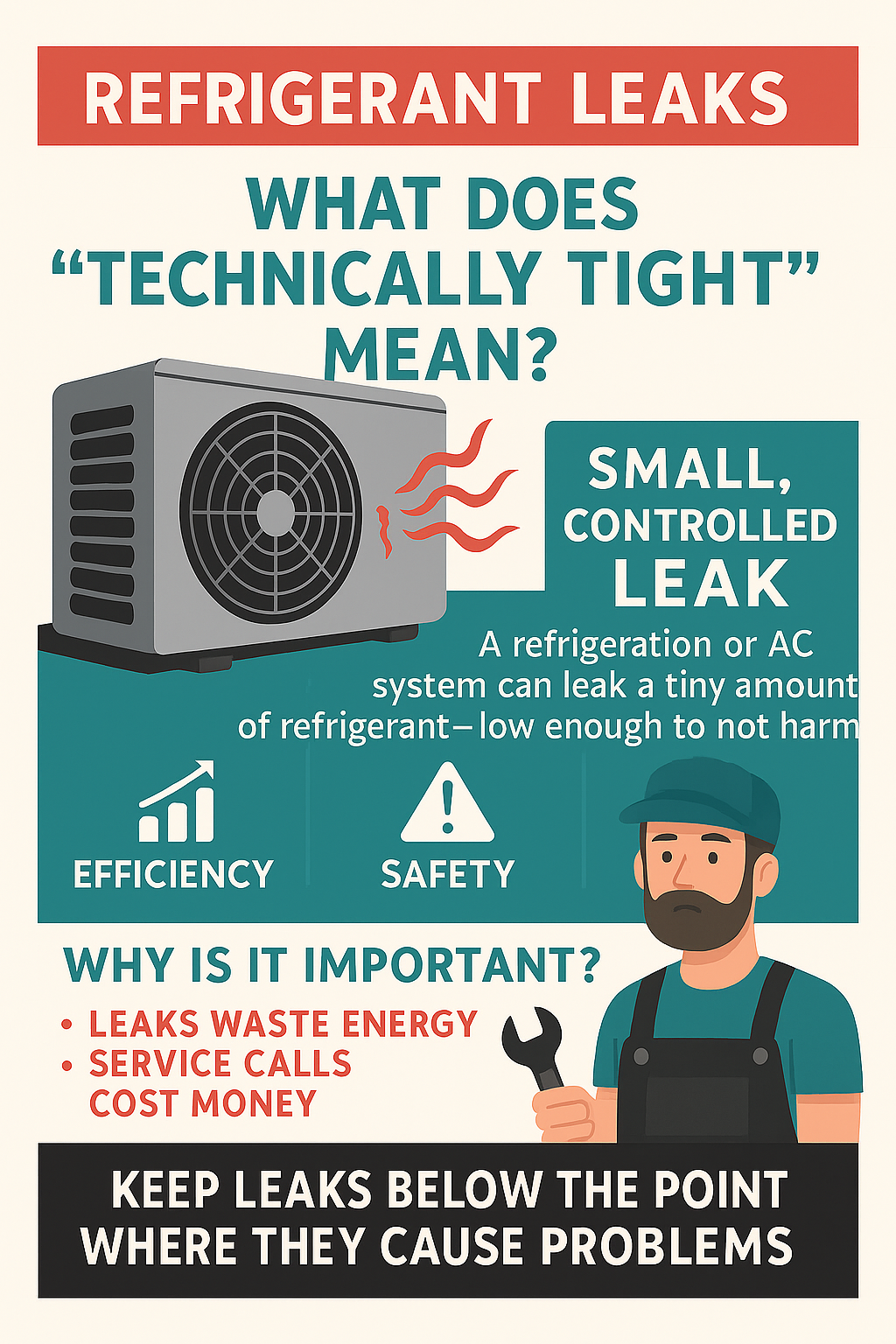
“Technically tight” means a refrigeration or AC system can leak a tiny, controlled amount of refrigerant—low enough that it won’t hurt efficiency, safety, or the environment. Regulations for F‑gases aim at ≤ 5 g/year, but the real acceptable rate depends on charge size, refrigerant hazard, and maintenance interval. Good design, quality construction, and regular checks create durably […]

Posted Date: 06/19/2025
The article analyzes CO₂ buildup inside car cabins when using air recirculation mode, which affects driver alertness and health. It recommends using CO₂ sensors and applying ASHRAE Standard 62-2001 to automatically control fresh air intake. Tests and simulations show that maintaining a minimum of 40% fresh air (Partial Recirculation Factor) keeps CO₂ levels below 1,100 […]
Posted Date: 06/14/2025
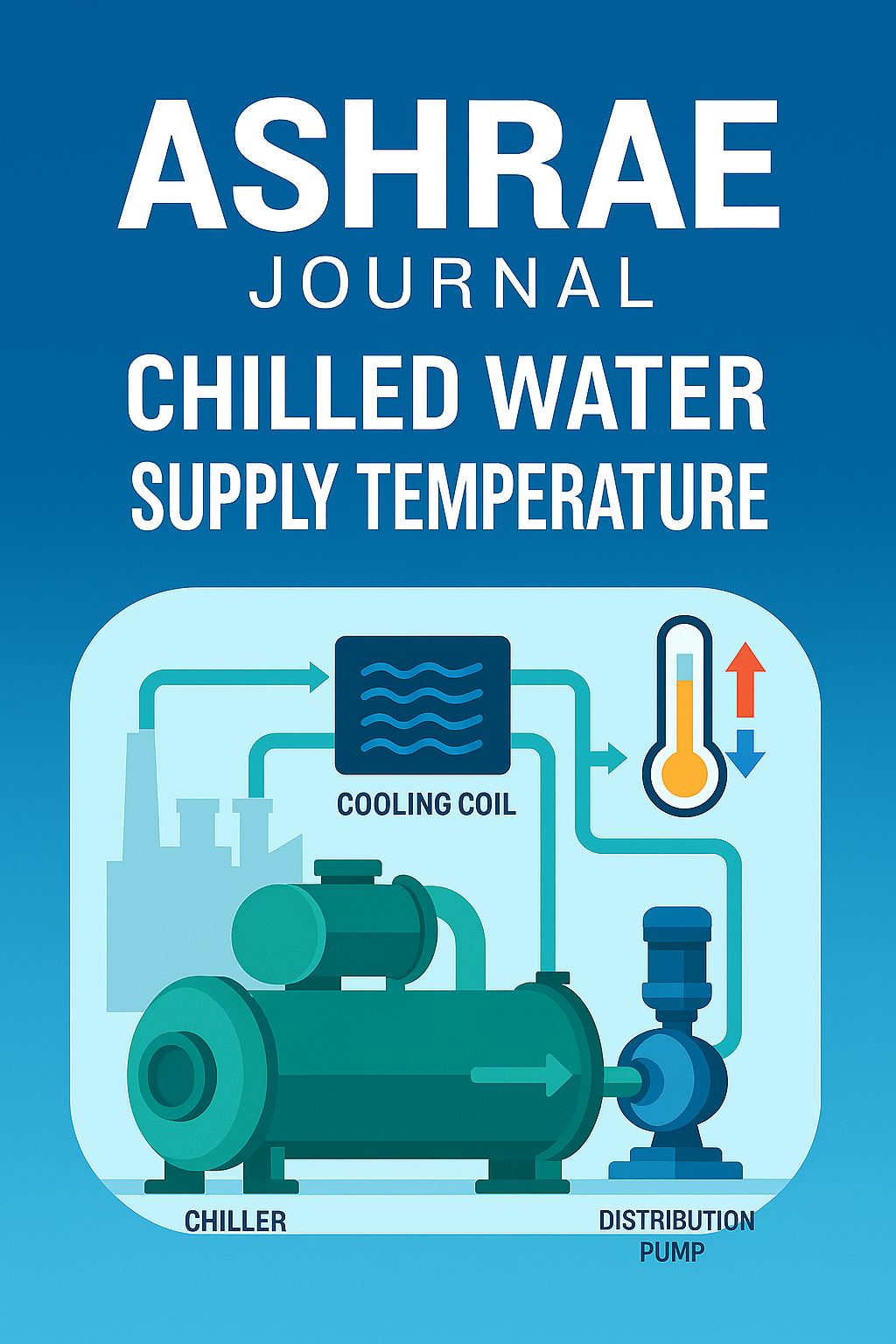
Chilled water cooling systems consume nearly 50% of building energy required to meet cooling loads, especially in hot, humid climates.1 Chiller COP can be improved with the optimal chilled water supply temperature, and significant amounts of system energy can be reduced. Similarly, chilled water distribution pumps designed with high temperature delta T will have less […]
Posted Date: 06/12/2025
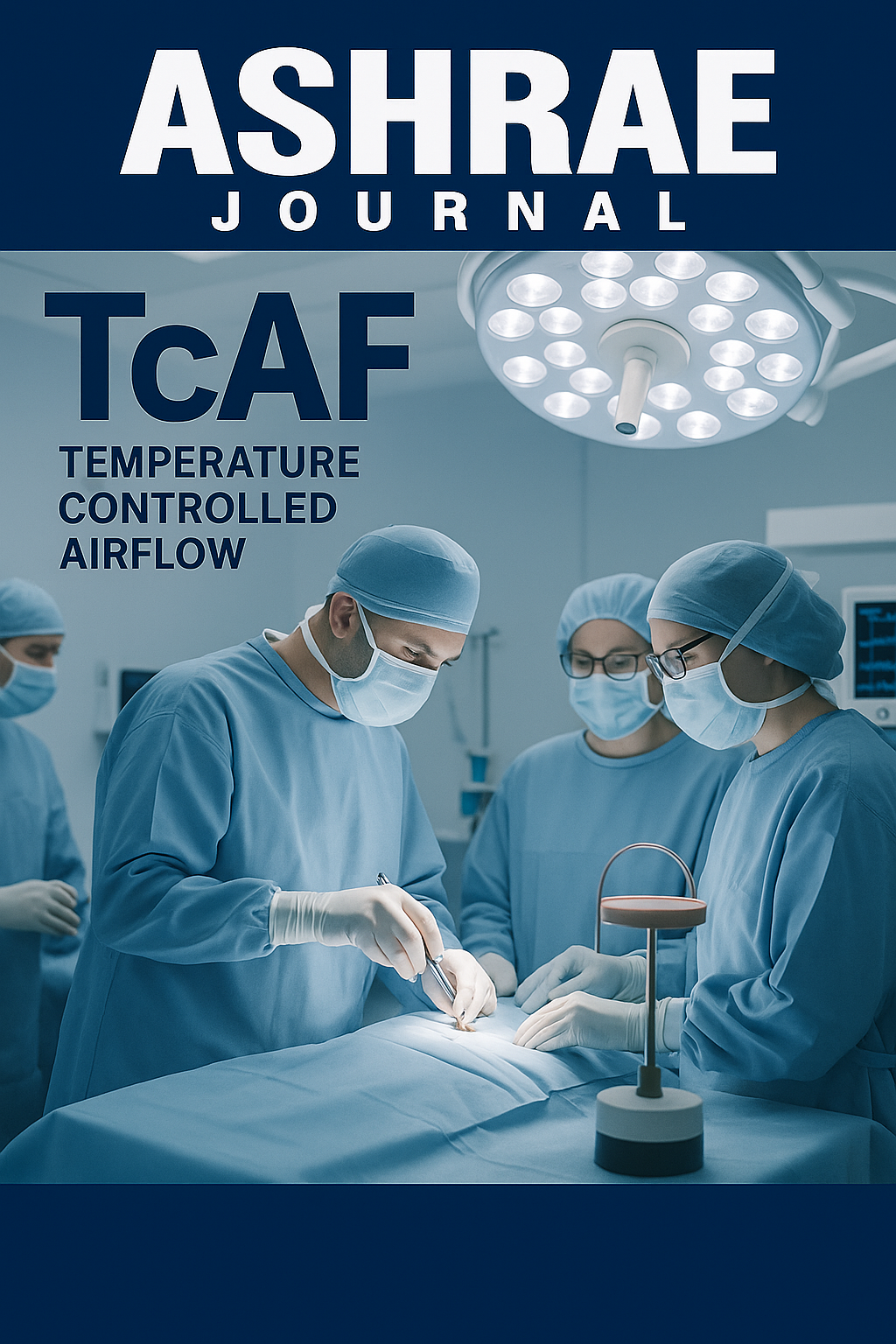
This study validates a Temperature Controlled Airflow (TcAF) system that uses cooler air over sterile zones and warmer air at the periphery to reduce contamination. Tested in mock and real surgeries, TcAF maintained microbial levels below 10 CFU/m³, achieving ultraclean air standards and enhancing surgical infection control.
© 2025 ASHRAE VIETNAM CHAPTER. All Rights Reserved.